The short answer: why Da Tang Sanzang Qujing Shihua is called the ancestor of Journey to the West
Da Tang Sanzang Qujing Shihua (大唐三藏取經詩話, The Poetic Tale of How Tripitaka of the Great Tang Fetched the Scriptures) is the earliest surviving work of fiction about Xuanzang's (玄奘) westward pilgrimage for Buddhist scriptures. This tale already features the prototypes of Sun Wukong (孫悟空) and Sha Wujing (沙悟净). The exploits of Monkey Pilgrim (猴行者, Hou Xingzhe) and Shensha Shen (深沙神) show how a historical travelogue evolved into the mythological novel Journey to the West (西遊記). The scholar Hu Shi (胡適) judged this small booklet to be the unmistakable ancestor of Journey to the West and proof of 500 to 600 years of literary evolution. This article is Part 1 of a three-part deep dive into the formation of Journey to the West.
Part 1 examines the 3-scroll, 17-section structure of Da Tang Sanzang Qujing Shihua and the key scenes where Monkey Pilgrim and Shensha Shen appear. It also analyzes the dispersal of the editions formerly held at Kozan-ji (高山寺) in Kyoto (京都), Japan, alongside modern scholars' primary-source studies on its editions and origins. Both the original text and the modern critical essays can be read directly on Chinese Wikisource (維基文庫, zh.wikisource.org). Parts 2 and 3 will trace the expansion of later editions and the transformation of the characters in the Ming-dynasty novel Journey to the West.
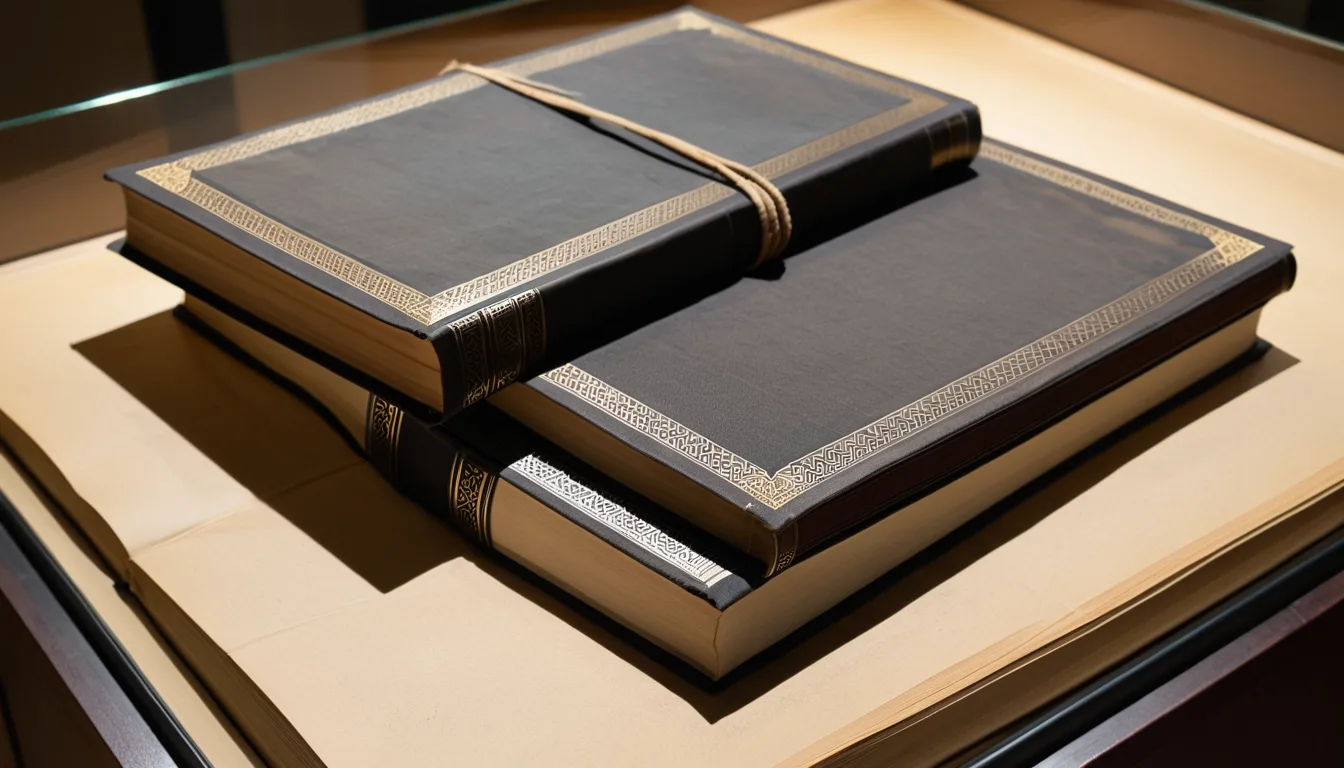
Because the author and date of Da Tang Sanzang Qujing Shihua are unknown, general reference accounts introduce various dating hypotheses ranging from the late Tang and Five Dynasties to the Northern Song and Southern Song. In 1916, the Chinese scholars Luo Zhenyu (羅振玉) and Wang Guowei (王國維) introduced the work to the public by publishing facsimiles of the old editions preserved in Japan, including a pocket edition (巾箱本, jinxiangben). A jinxiangben is an edition small enough to fit inside a kerchief box, while a facsimile reproduces an original book photographically. The publication of this facsimile enabled scholars such as Lu Xun (魯迅) and Hu Shi to conduct full-scale textual research into the formation of Journey to the West.
The historical Xuanzang's 17-year pilgrimage and the 17-section format of Da Tang Sanzang Qujing Shihua
The Tang-dynasty monk Xuanzang, who served as the model for the novel, was an actual pilgrim monk who traveled to India and became a great translator. In his essay "Textual Research on Journey to the West" (西遊記考證), the modern Chinese scholar Hu Shi summarized the historical Xuanzang's achievements: "玄奘是中國史上一個非常偉大的人物。他二十六歲立志往印度去求經,途中經過了無數困難,出遊十七年(628—645),經歷五十多國,帶回佛教經典六百五十七部。歸國之後,他著手翻譯,于十九年中(645—663),譯成重要經論七十三部,凡一千三百三十卷" Here, Hu Shi concisely outlines the historical Xuanzang's life before mythological imagination reshaped his story.
As the Chinese passage states, Xuanzang set his resolve at age 26 and spent 17 years from 628 to 645 traveling to and from India in search of scriptures. Enduring countless hardships, he passed through more than 50 states and brought 657 Buddhist texts back to China. After his return, he devoted 19 years from 645 to 663 to translating 73 major sutras and treatises totaling 1,330 scrolls. Da Tang Sanzang Qujing Shihua, by contrast, reshaped this real history into a mythological fiction divided into 3 scrolls and 17 sections. The sections vary widely in length; general accounts note that the longest reach about 2,000 characters, whereas the shortest have fewer than 100 characters.
Every section of Da Tang Sanzang Qujing Shihua closes with characters from that episode reciting a poem; commentary often interprets this pattern of one to three speakers reciting verse as reflecting the influence of Buddhist scriptures such as the Lotus Sutra (法華經). In addition, excluding the lost Section 1 and the missing opening of Section 8, 11 of the 15 surviving section titles follow the formula "At [Place], Number [X]" (××處第×). One hypothesis suggests that this pattern arose because scripts for popular temple lectures (俗講, sujiang) were paired with wall paintings or Buddhist transformation tableaux (變相, bianxiang). From this perspective, these formal features are often interpreted as a link between Buddhist storytelling traditions and early vernacular fiction.
The white-robed scholar and the naming of Monkey Pilgrim in Section 2 of Da Tang Sanzang Qujing Shihua
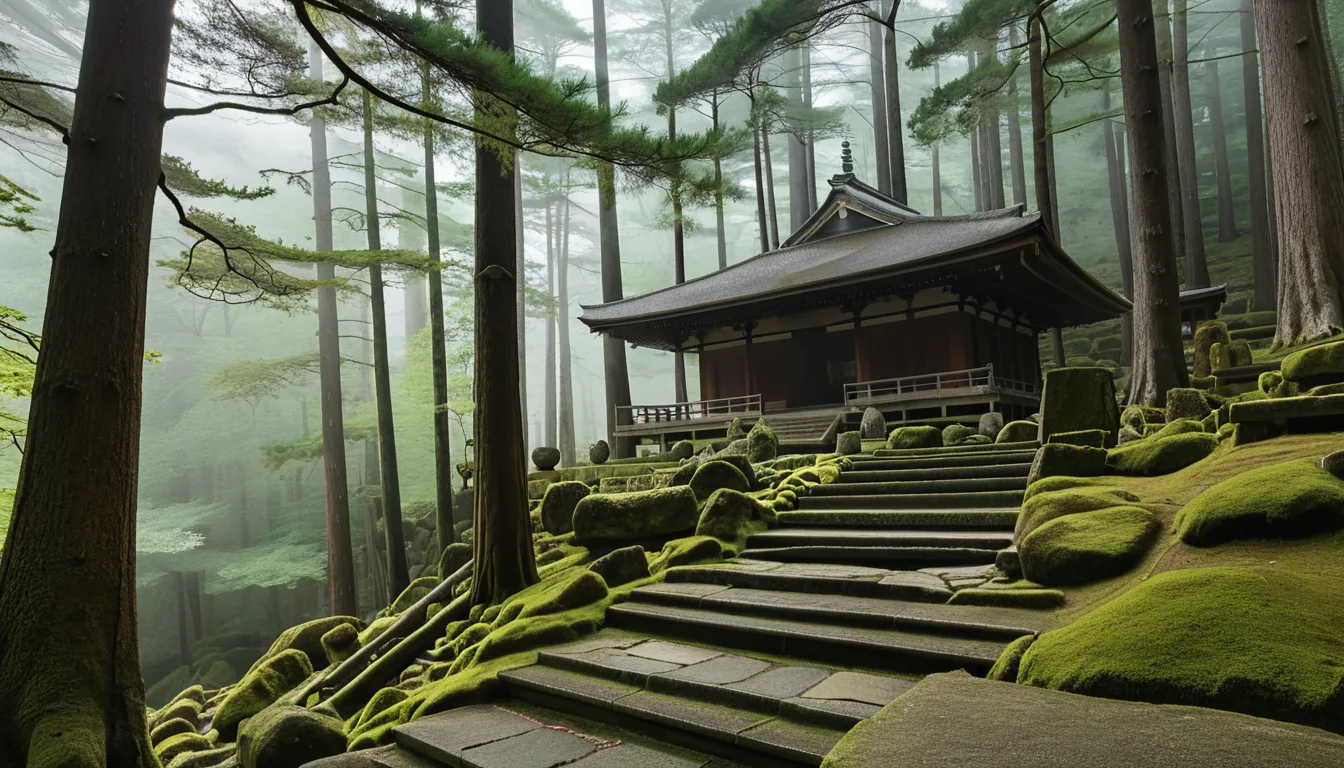
Section 1 of Da Tang Sanzang Qujing Shihua has been lost from all surviving editions and can no longer be read today. In Section 2, a figure dressed as a white-robed scholar (白衣秀才, baiyi xiucai) appears and introduces himself to Xuanzang: "我是花果山,紫雲洞,八万四千銅頭鐵額猕猴王。我今来助和尚取𦀇。此去百万程途,𦀇過三十六国,多有禍難之処。" Hearing the white-robed scholar's words, Tripitaka gives him a new name in the passage that immediately follows: "法師應曰:「果得如此,三世有縁。東土衆生獲大利益。」當便改呼為「猴行者」。僧行七人,次日同行,左右㐲事。"
In the quoted passage, the white-robed scholar identifies himself as the copper-headed, iron-browed (銅頭鐵額) Macaque King (猕猴王) of 84,000 monkeys from Purple Cloud Cave (紫雲洞) on Mount Huaguo (花果山). He explains that he has come to help the monk fetch the scriptures, warning that the vast journey of a million stages (百万程途) ahead passes through 36 countries filled with places of calamity. Tripitaka replies that such help fulfills a karmic bond across three lifetimes and will bring great benefit to sentient beings in the East, renaming him "Monkey Pilgrim" (猴行者). The party of seven monks and novices (僧行七人) then sets out together the next day, attending Tripitaka on either side.
This account in Section 2 shows that Monkey Pilgrim was the direct precursor to the later figure of Sun Wukong. Both his homeland on Mount Huaguo and his physical traits of a copper head and iron brow were already established at this stage. Yet rather than a wild demon, he arrives of his own accord as a courteous white-robed scholar volunteering his assistance. In the earliest pilgrimage narrative, the monkey helper was conceived as a guide who already knew the geography and hazards of the 36 countries ahead.
Lecturing from the crystal seat in Section 3 and defeating the White Tiger Spirit in Section 6 of Da Tang Sanzang Qujing Shihua
Once the party sets out, Monkey Pilgrim's supernatural powers play a central role across both heaven and earth. Section 3 of Da Tang Sanzang Qujing Shihua describes Mahabrahma Devaraja (大梵天王) and the arhats (羅漢) welcoming Xuanzang and inviting him to lecture on the scriptures: "當時天王与羅漢曰:「此人三生出世,佛教俱全。」便請下界法師玄奘陞座講𦀇。請上水晶座,法師上之不得。" Section 6 records the fierce battle in which Monkey Pilgrim defeats the demon White Tiger Spirit (白虎精): "白𮓙精聞語,心生忿怒,被猴行者化一團大石,在肚内漸 二 會大,教虎精吐出,開口吐之不得,只見肚皮裂破,七孔流血"
In the original text of Section 3, the heavenly king and arhats praise Xuanzang as one who has appeared in the world across three lifetimes with complete mastery of Buddhism, and invite him to ascend the seat to expound the sutras. Yet as a mortal monk from the lower realm, Xuanzang is unable to ascend the crystal seat (水晶座) on his own. According to Lu Xun's summary in Chapter 13 of A Brief History of Chinese Fiction (中國小說史略), Xuanzang borrows Monkey Pilgrim's miraculous powers to enter Mahabrahma's palace together and finish the lecture. Afterward, the heavenly king bestows three dharma treasures upon him: "隱形帽一頂,金镮錫杖一條,缽盂一只,三件齊全"—one invisibility cap, one golden-ringed tin staff, and one alms bowl, all three complete. In Section 6, Monkey Pilgrim conjures a boulder inside the White Tiger Spirit's belly and makes it grow larger and larger; unable to spit it out, the tiger spirit's belly splits open and blood pours from all seven orifices.
As Lu Xun summarizes, the party returns to the lower realm, passes through Xianglin Temple (香林寺), and crosses perilous sites such as Great Serpent Ridge (大蛇嶺) and Nine-Dragon Pool (九龍池). Thanks to Monkey Pilgrim's magical power, the travelers pass safely through all of these treacherous terrains. Taken together, Sections 3 and 6 show that while Xuanzang holds the spiritual authority, Monkey Pilgrim drives the action and overcomes every obstacle. This dynamic laid the foundation for the narrative structure of the later Journey to the West, in which a vulnerable Tripitaka relies on Sun Wukong's martial prowess to subdue demons.
Shensha Shen's bag of skulls in Section 8 and the return and appointment in Sections 10–17 of Da Tang Sanzang Qujing Shihua
In Section 8, Shensha Shen—the prototype of the later Sha Wujing—appears and holds a dramatic exchange with Tripitaka's party. The original text of Da Tang Sanzang Qujing Shihua preserves the passage in which Shensha Shen explains the bag of skulls hanging beneath his neck: "深沙云:「項下是和尚兩度被我喫你,袋得枯骨在此。」和尚曰:「你最旡知,此回若不改過,教你一門滅絕。」𭰹沙合掌謝恩,伏䝉慈照。" In the final section (Section 17), the scene in which the master returns from India with the scriptures and receives his official title from the emperor also appears in the original text: "至七月十四日午時五刻,法師受職。皇帝宣謝:「三年往西天,取𦀇一藏回帰。法師三 唐 受𦀇,封為三藏法師。」"
In the quoted passage, Shensha Shen confesses that he devoured the monk twice in past lives and kept the dry bones in a sack beneath his neck. When the monk scolds him as utterly ignorant and warns that his entire clan will be wiped out if he does not repent this time, Shensha Shen presses his palms together in gratitude for the master's mercy. Shensha Shen then transforms his body into a golden bridge (金橋) so that Tripitaka's party can cross the great waters safely. In Sections 10 through 17, the travelers pass through the Country of Hariti (鬼子母國), the Country of Women (女人國), and the Queen Mother's Pool (王母池), obtaining 5,400 scrolls of scriptures in India (天竺), while the Heart Sutra (多心經), which had been left out at the time, is handed down to them by Dipankara Buddha (定光佛) at Xianglin Temple on the return journey. Returning after three years, the master is invested as Tripitaka Master at the fifth quarter-hour (ke) of the noon double-hour on the 14th day of the 7th month, and ascends to heaven aboard a lotus-gathering boat (采蓮舡) at noon the next day.
Commenting on the cast of characters at this stage in "Textual Research on Journey to the West," Hu Shi wrote: "不過在南宋時,深沙的神還不曾變成三弟子之一。豬八戒此時連影子都沒有呢。" In other words, during the Southern Song period Shensha Shen had not yet turned into one of the three disciples, and there was not even a shadow of Zhu Bajie (豬八戒). Sha Wujing's core motif—having devoured the scripture pilgrim in past lives and wearing the skulls around his neck—was already present in Shensha Shen. Yet the fact that Shensha Shen does not join the journey and Zhu Bajie is absent demonstrates that the band of pilgrimage disciples came together in stages over later centuries.
The dispersal of the former Kozan-ji copies in Kyoto and the 1916 facsimiles by Luo Zhenyu and Wang Guowei
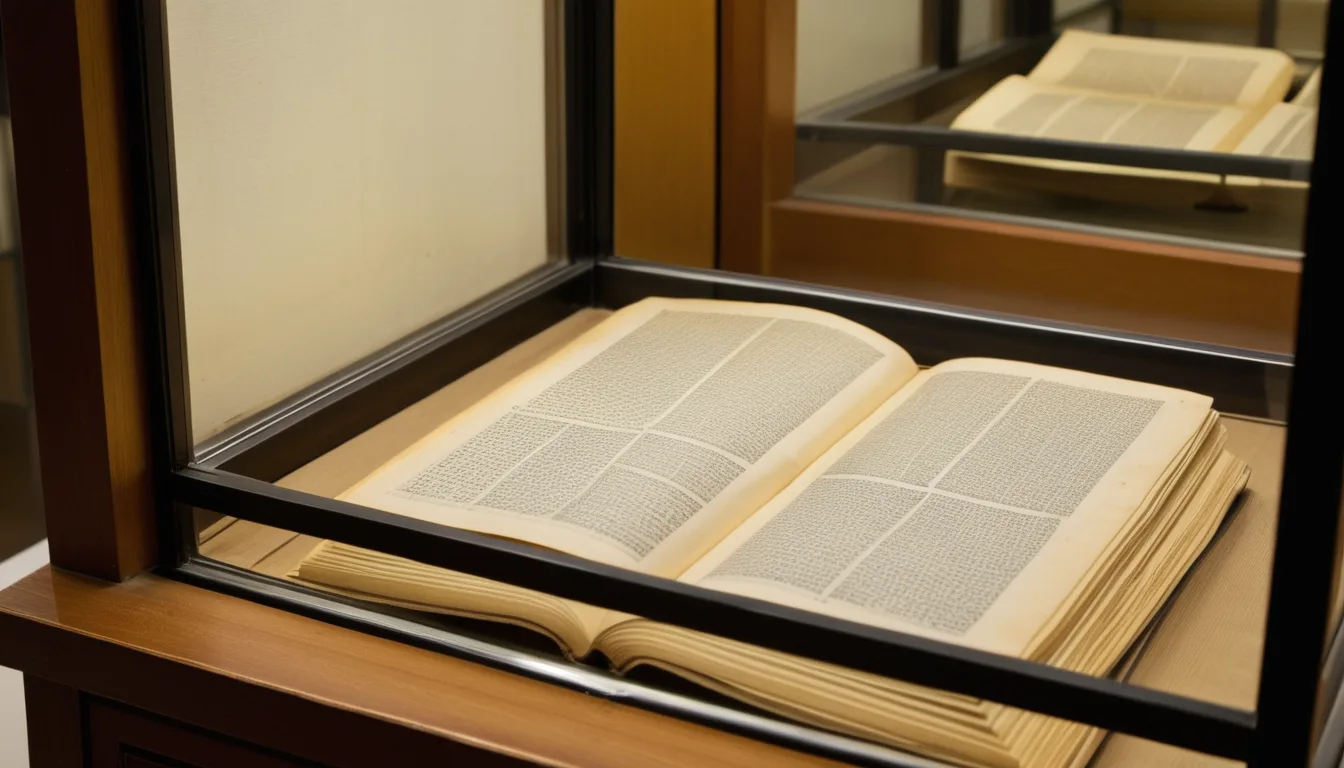
Having vanished within China, Da Tang Sanzang Qujing Shihua reemerged through two editions preserved in Japan. In Chapter 13 of A Brief History of Chinese Fiction, Lu Xun summarized the provenance of the two surviving Japanese copies: "《大唐三藏法師取經記》 一名《大唐三藏取經詩話》,三卷。日本有德富蘇峰成簣堂藏大字本《 取經記 》、三浦觀樹藏小字巾箱本《 取經詩話 》(後歸大倉喜七郎)。二者各有殘缺。一九一六年我國有影印本。" The surviving originals—one copy each of the pocket edition and the large-character edition—are both known to have once been held at Kozan-ji in Kyoto, Japan. According to bibliographical accounts, both volumes were recorded in the 1633 Kozan-ji Sacred Teachings Catalogue (高山寺聖教目錄) before later leaving the temple.
As Lu Xun noted, the original small-character pocket edition belonged to Miura Gorō (三浦梧楼, also known as Miura Kanjū) before passing to Ōkura Kishichirō (大倉喜七郎); modern reference works note that it is now housed in the Okura Museum of Art (大倉集古館) as an Important Cultural Property of Japan. The original large-character edition passed through Tokutomi Sohō's (德富蘇峰) Seikidō (成簣堂) library and is now held by the Ishikawa Takemi Memorial Library. Based on these copies preserved in Japan, Luo Zhenyu and Wang Guowei (王國維) published facsimile editions of Qujing Shihua and Qujing Ji in 1916 (recorded in Hu Shi's account as the 4th year of the Republic, or 1915), bringing the work back into public view.
According to bibliographical descriptions, the two editions also differ clearly in their titles and state of preservation. The pocket edition is missing about 300 characters corresponding to the entirety of Section 1 and about 600 characters from the middle of Section 7 to the opening of Section 8, and it features a small page format with numerous misprints. The large-character edition bears the title Xindiao Da Tang Sanzang Fashi Qujing Ji (新雕大唐三藏法師取經記) and has lost the second half of Scroll 1 as well as all of Scroll 2. Bibliographical comparisons of scribal errors indicate that the pocket edition came first and the large-character edition was carved using the pocket edition as its base text. The case illustrates how bibliography reconstructs the lineage of scattered ancient books by comparing temple catalogues and textual lacunae.
The Song-versus-Yuan edition debate in Chapter 13 of Lu Xun's A Brief History of Chinese Fiction and "On the Editions of Tang Sanzang Qujing Shihua"
Once the facsimile editions appeared, a scholarly debate arose over whether the book was a Song or a Yuan printing. In Chapter 13 of A Brief History of Chinese Fiction, Lu Xun wrote, "三卷分十七章,今所見小說之分章回者始此;每章必有詩,故曰詩話。首章兩本俱闕,次章則記玄奘等之遇猴行者。"—crediting the work as the earliest surviving example of chapter-divided fiction. Meanwhile, Wang Guowei pointed out that the imprint "Zhongwazi Zhang Family" (中瓦子張家) at the end of the pocket edition matched the Zhang Official Bookstore (張官人書鋪) in Lin'an (臨安城) recorded in the Southern Song work Mengliang Lu (夢粱錄). On that basis, as cited in secondary reference accounts, the scholar Zheng Zhenduo (鄭振鐸) supported a Song printing date: "此話本的時代不可知,但王國維氏據書末:‘中瓦子張家印’數字,而斷定其為宋槧,語頗可信。故此話本,當然亦必為宋代的產物。"
According to those same accounts, comparing the book with the Yuan-dynasty zaju (雜劇) play Journey to the West by Wu Changling (吳昌齡), Zheng Zhenduo argued that this primitive pilgrimage tale clearly originated in the Song period, well before Wu Changling's drama. In Chapter 13 of A Brief History of Chinese Fiction, however, Lu Xun suggested that the Zhang family bookstore could have continued operating in the Yuan period and that the text might have been written during the Yuan dynasty. After the collector Tokutomi Soho wrote a rebuttal, Lu Xun replied in his essay "On the Editions of Tang Sanzang Qujing Shihua" (關於《唐三藏取經詩話》的版本): "故於舊書,不以缺筆定時代,如遺老現在還有將𭀋字缺末筆者,但現在確是中華民國;也不專以地名定時代,如我生於紹興,然而並非南宋人,因為許多地名,是不隨朝代而改的"
Lu Xun's point is that one cannot fix the date of an old book solely from taboo stroke omissions (缺筆, quebi—dropping a stroke to avoid an emperor's personal name) or place names. Lu Xun also cited Wang Guowei's Liangzhe Gukanben Kao (兩浙古刊本考), for which Wang wrote the preface in the 11th year of the Republic (1922). In the first scroll (卷上), under the "Yuan miscellaneous editions" (元雜本) entry of "Hangzhou Prefecture Printings" (杭州府刊版), Wang Guowei listed Jingben Tongsu Xiaoshuo (京本通俗小說) alongside the three scrolls of Da Tang Sanzang Qujing Shihua, classifying it as a Yuan printing. Modern reference works generally date the story's composition to the Northern Song and the printing of the pocket edition to between the Southern Song and early Yuan. The debate highlights the critical principle of distinguishing when a work's content was composed from when its woodblocks were carved.
Parallels between Hanuman in India's Ramayana and Monkey Pilgrim in Hu Shi's "Textual Research on Journey to the West"
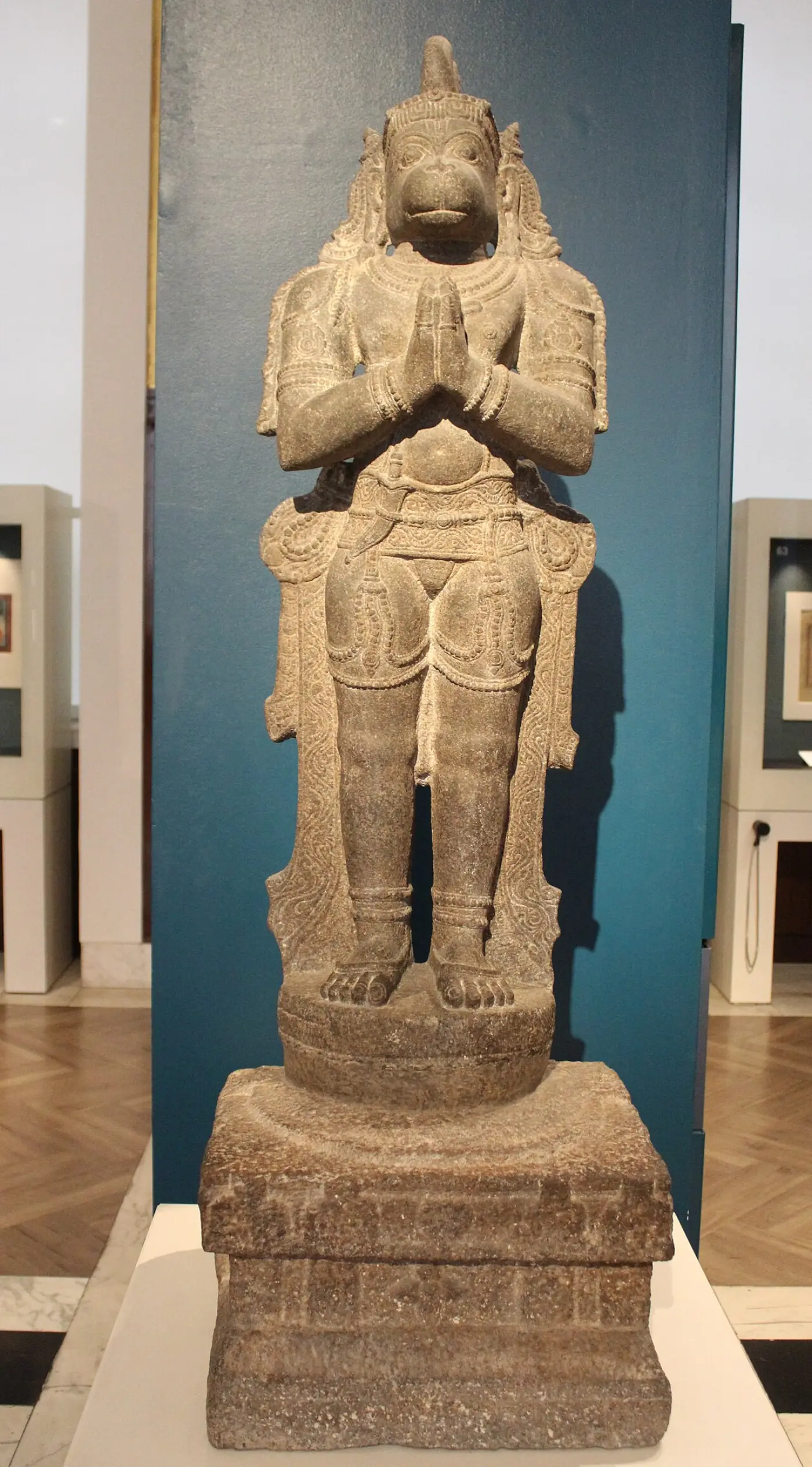
In "Textual Research on Journey to the West," Hu Shi delved into the mythological character of Da Tang Sanzang Qujing Shihua and the origins of Monkey Pilgrim: "我們看這個目錄,可以知道在南宋時,民間已有一種《唐三藏取經》的小說,完全是神話的,完全脫離玄奘取經的真故事了。這部書確是《西遊記》的祖宗。" Having confirmed that a mythologized pilgrimage novel already circulated among the populace in the Southern Song, Hu Shi looked to India for the origin of the monkey hero. Guided by Baron Alexander von Staël-Holstein (鋼和泰, Gang Hetai; printed as "Paror A von Staël Holstein" in Hu Shi's text), he examined India's oldest epic, the Rāmāyana (拉麻傳). There he identified Hanumān (哈奴曼) as a plausible prototype for the Great Sage Equaling Heaven (齊天大聖).
Hu Shi compared Monkey Pilgrim in the Chinese Qujing Shihua with Hanuman in the Indian Ramayana on two grounds: "第一,《取經詩話》裡說,猴行者是“花果山紫雲洞八萬四千銅頭鐵額獼猴王”。花果山自然是猴子國。行者是八萬四千猴子的王,與哈奴曼的身分也很相近。第二,《拉麻傳》裡說哈奴曼不但神通廣大,並且學問淵深;他是一個文法大家;“人都知道哈奴曼是第九位文法作者”。《取經詩話》裡的猴行者初見時乃是一個白衣秀才,也許是這位文法大家墮落的變相呢!" First, Monkey Pilgrim's status as king of 84,000 monkeys in the monkey kingdom of Mount Huaguo closely parallels Hanuman's position. Second, in the Ramayana, Hanuman possesses not only vast supernatural powers but also deep learning as a master grammarian known as the "ninth author of grammar." Hu Shi suggested that Monkey Pilgrim's initial appearance in Qujing Shihua as a white-robed scholar might be a transformed echo of this Indian master grammarian.
Through the rediscovery of this book, Hu Shi demonstrated that Journey to the West, like Water Margin (水滸) and Romance of the Three Kingdoms (三國), underwent 500 to 600 years of evolution. By placing the Indian epic alongside the Chinese poetic tale, Hu Shi sought to explain why a macaque king from the mountains first appears dressed as a white-robed scholar, proposing the hypothesis that Monkey Pilgrim—the prototype of Sun Wukong—took shape at the intersection of Chinese Buddhist preaching and Indian heroic epic.
| Text or Edition | Era and Repository | Core Content Covered in This Article | Relationship to Other Texts and Key Features |
|---|---|---|---|
| Small-character pocket edition, Da Tang Sanzang Qujing Shihua | Author and era unknown; formerly held at Kozan-ji in Kyoto; described as now held at the Okura Museum of Art in Tokyo (Important Cultural Property of Japan) | 3 scrolls and 17 sections; Monkey Pilgrim's debut in Section 2, the crystal seat in Section 3, the White Tiger Spirit in Section 6, Shensha Shen in Section 8, and appointment as Tripitaka Master in Section 17 on the 14th day of the 7th month | Missing about 300 characters corresponding to the entirety of Section 1 and about 600 characters from mid-Section 7 to the start of Section 8; printed with the Zhongwazi Zhang Family imprint at the end; regarded as the base text for the large-character edition |
| Large-character edition, Xindiao Da Tang Sanzang Fashi Qujing Ji | Author and era unknown; formerly held at Kozan-ji in Kyoto and Tokutomi Soho's Seikido; reported as now held at the Ishikawa Takemi Memorial Library | Published in facsimile by Luo Zhenyu and Wang Guowei in 1916, reintroducing the work to the scholarly world alongside the pocket edition | Identical in content to the pocket edition and described in bibliographical studies as carved on its basis, with the latter half of Scroll 1 and the entirety of Scroll 2 missing |
| Lu Xun, Chapter 13 of A Brief History of Chinese Fiction and "On the Editions of Tang Sanzang Qujing Shihua" | Written during the Republic of China era (citing Wang Guowei's preface from the 11th year of the Republic to Liangzhe Gukanben Kao) | Origin of chapter-divided fiction across 3 scrolls and 17 sections, summary of the three dharma treasures at Mahabrahma's palace and the Heart Sutra at Xianglin Temple, and the Song-versus-Yuan edition debate | Challenges Zheng Zhenduo's definitive Song dating, arguing that taboo character omissions and place names alone cannot fix a book's era and raising the possibility of a Yuan printing |
| Hu Shi, "Textual Research on Journey to the West" | Written during the Republic of China era (mentioning the facsimiles by Luo Zhenyu and Wang Guowei in the 4th year of the Republic) | Contrast between the historical Xuanzang's 17-year pilgrimage (628–645) and mythological fiction, comparison of Hanuman in India's Ramayana with Monkey Pilgrim, and reconstruction of a 500-to-600-year evolutionary history | Identifies Da Tang Sanzang Qujing Shihua as the ancestor of Journey to the West and points out the absence of Zhu Bajie and Shensha Shen's non-disciple status |
Related reading: What crime does the Annals of the Joseon Dynasty record for the real Hong Gil-dong? · Fox and Ghost Women in Strange Tales from a Chinese Studio: How They Become Family (2/3)
Summary: the evolutionary path revealed by Da Tang Sanzang Qujing Shihua and the questions that remain
The original text of Da Tang Sanzang Qujing Shihua and the textual research of modern scholars show that the classic Journey to the West took shape over a long span of time. Its "At [Place], Number [X]" sections—hypothesized to be linked to popular temple lectures—together with the closing poems, represent the earliest surviving form of chapter-divided fiction. Likewise, the facsimile publication of the former Kozan-ji copies and the edition debate between Lu Xun and Zheng Zhenduo illustrate how to distinguish a text's date of composition from its date of printing. And Hu Shi's comparison of Hanuman in India's Ramayana with the white-robed scholar Monkey Pilgrim broadened the study of cross-cultural narrative exchange.
At the same time, this early edition leaves several important questions on the road toward the later Journey to the West. By what process did Shensha Shen, who turned into a golden bridge to help the party cross a river in Section 8, become the disciple Sha Wujing accompanying Tripitaka? And when did Zhu Bajie—of whom not even a shadow was visible in the Southern Song—join the pilgrimage party to complete the four-member master-and-disciple team? The next installments in this series will trace how the pilgrimage tale expanded into a full-length novel across the Yuan and Ming dynasties.