The short answer: 'bad' starts at a daily average of 81 for PM-10 and 36 for PM-2.5
In AirKorea's forecasts, a 'bad' day is one with PM-10 at 81–150 ㎍/㎥ or PM-2.5 at 36–75 ㎍/㎥. These figures refer to the daily average concentration. Whichever pollutant has the higher grade sets the forecast grade for the day. Forecasts are updated four times daily.
To decide what to do, read AirKorea's grade-by-grade guidance alongside the health rules from the Korea Disease Control and Prevention Agency (KDCA). The KDCA's general rules say to limit going out and cut back on outdoor activity when fine dust levels are bad. If you do go out, wear a protective mask. Take it off right away, however, if you feel short of breath or get a headache. The rules also say to wash your face and hands when you get home.
The date-specific forecasts in this article come from reports and announcements issued on October 30–31, 2026. Before heading out, check that day's latest forecast.
AirKorea's forecast bands: PM-10 and PM-2.5 use different numbers
AirKorea is the website that publishes air quality forecasts from the Ministry of Climate, Energy and Environment. It forecasts air pollution grades every day at 5 a.m., 11 a.m., 5 p.m. and 11 p.m. Each grade is based on the daily average concentration, meaning the average from 1:00 to 24:00.
For PM-10, the forecast bands are good at 0–30, moderate at 31–80 and bad at 81–150 ㎍/㎥. Anything above 150 is very bad. For PM-2.5, the bands are good at 0–15, moderate at 16–35 and bad at 36–75 ㎍/㎥. Anything above 75 is very bad.
This rule is why you shouldn't guess the grade from a single number. Suppose PM-10 falls in the 'moderate' band but PM-2.5 falls in the 'bad' band. That day's forecast will read 'bad'. Keep in mind, too, that PM-2.5 reaches the same 'bad' grade at much smaller numbers.
The '50 ㎍/㎥ exceeded' flag and the October 30–31, 2026 forecasts
Separately from the grade, AirKorea's forecasts show whether ultrafine dust is expected to exceed 50 ㎍/㎥. According to AirKorea, this flag gives early warning of high-concentration forecasts. It marks areas expected to exceed 50 ㎍/㎥, one of the criteria for issuing emergency reduction measures. It is therefore a different standard from the forecast grade.
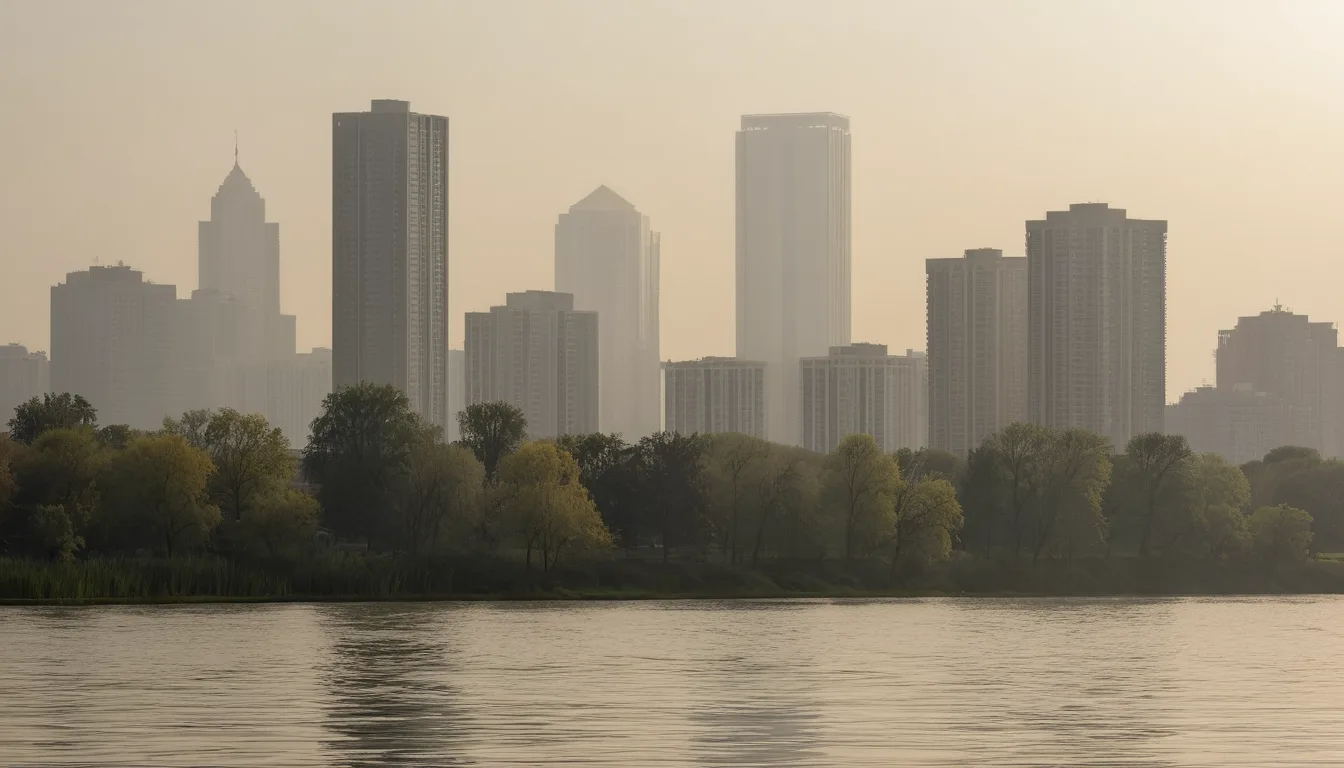
Forecasts from real dates illustrate the point. KBS reported on October 30, 2026, that fine dust levels were expected to reach 'bad' overnight in the Seoul metropolitan area, Chungcheong, Honam and Jeju. AirKorea's 5 p.m. forecast on October 31 then noted high daytime concentrations in some western areas. It added that clean northwesterly air would move in and levels would gradually fall. As a result, it forecast a 'moderate' daily average for all regions.
In other words, the daily-average grade and a temporary spike can differ. Levels can run high for a few hours while the average still comes out 'moderate'. Read the forecast grade as the overall trend for the whole day, and read the other flags separately.
Who counts as sensitive: comparing the AirKorea and KDCA lists
AirKorea defines sensitive groups as children, older adults, people with lung diseases such as asthma, and people with heart disease. The KDCA names five groups as more sensitive to fine dust exposure. They are people with cardiovascular or cerebrovascular disease, people with respiratory or allergic diseases, pregnant women and infants, older adults, and children. The Seoul Metropolitan Government's Media Hub published these KDCA materials on February 6, 2023.
Side by side, the two lists compare as follows. First, children and older adults appear on both. Second, AirKorea says 'lung diseases such as asthma', while the KDCA says 'people with respiratory or allergic diseases'. Third, AirKorea says 'people with heart disease', while the KDCA says 'people with cardiovascular or cerebrovascular disease'. Fourth, only the KDCA lists pregnant women and infants separately.
On 'bad' days, AirKorea advises sensitive groups to stay indoors as much as possible and to consult a doctor before outdoor activity. Its advice to limit prolonged or strenuous outdoor activity, and for people with asthma to use their inhalers more often outdoors, is the guidance for sensitive groups one grade lower, on 'moderate' days. The KDCA materials recommend that people with asthma or chronic obstructive pulmonary disease carry symptom-relief medication when they go out. Reading the two lists together gives you a broader check on whether anyone in your household belongs to a sensitive group.
KDCA health tips: masks, going out, washing and ventilation
The KDCA's general rules recommend limiting trips outside and cutting back on outdoor activity when fine dust levels are bad. AirKorea likewise advises the general public to limit prolonged or strenuous outdoor activity on 'bad' days. Both agencies point the same way: spend less time active outdoors.
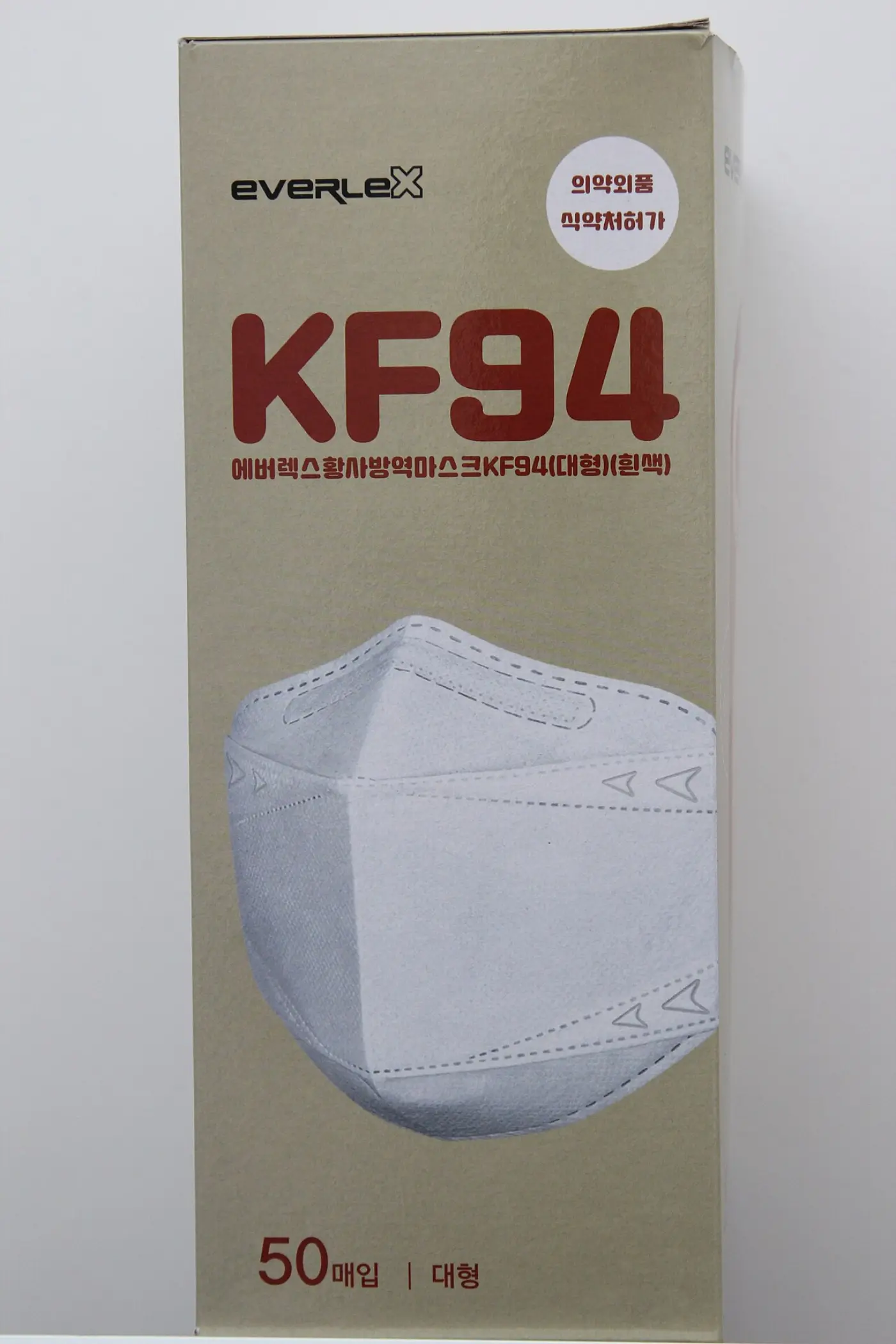
On masks, the KDCA's general rules published on the Seoul Metropolitan Government's Media Hub state: "Wear a protective mask when you go out. However, take it off right away if you feel short of breath or get a headache, and people with medical conditions should consult a doctor before wearing one."
In other words, the rule is not to keep a mask on for as long as possible no matter what. It comes with conditions. Pay attention to how you feel while wearing it, and talk to a doctor first if you have a medical condition. These rules come from materials posted on the Seoul Metropolitan Government's Media Hub in 2023. Check the KDCA website for the latest version.
There are everyday rules as well. Wash your face and hands thoroughly when you come home. Indoors, ventilate regularly and use an air purifier if you have one. The original forecasts are on the 'Air Quality Forecast' page of the AirKorea website. The health rules are in the relevant post on the Seoul Metropolitan Government's Media Hub.
| Forecast grade | PM-10 (㎍/㎥, daily average) | PM-2.5 (㎍/㎥, daily average) |
|---|---|---|
| Good | 0–30 | 0–15 |
| Moderate | 31–80 | 16–35 |
| Bad | 81–150 | 36–75 |
| Very bad | Above 150 | Above 75 |
Wrap-up
The key takeaway: several different standards overlap under the label 'fine dust'. The daily-average forecast grade, the '50 ㎍/㎥ exceeded' flag and a temporary daytime spike each tell you something different. The forecasts for October 30–31, 2026, show this difference. AirKorea and the KDCA also define sensitive groups slightly differently.
Some questions remain. The health rules in this article come from KDCA materials published on the Seoul Metropolitan Government's Media Hub. Check the latest original on the KDCA website to see whether the wording has changed. On AirKorea's forecast page, also read the small notes beneath the grade table.