The short answer: what gache was and how the ban ended
Gache (加髢) is a hairpiece that women placed on or worked into their hair to make it look fuller. It was also used to shape elaborate hairstyles. In Joseon, King Yeongjo banned gache in 1756, and King Jeongjo banned it again in 1788. Neither ban was fully obeyed. According to the Encyclopedia of Korean Culture, gache disappeared only in the reign of King Sunjo.
The sources give two reasons for the debate over a ban. One was the heavy cost. The other was the way gache disrupted the rituals that followed a wedding. After the bans, alternatives appeared: the jokduri, the wooden tteoguji and the jjokmeori chignon. Jeongjo's regulations set different limits for different social classes. In this article, "gache" means the whole built-up hair ornament, and "dari" means the added hair itself. The story runs from the Silla record of miche to the disappearance of gache under Sunjo.
Early records: miche in the Samguk Sagi and the high chignon in the Seongjong Sillok
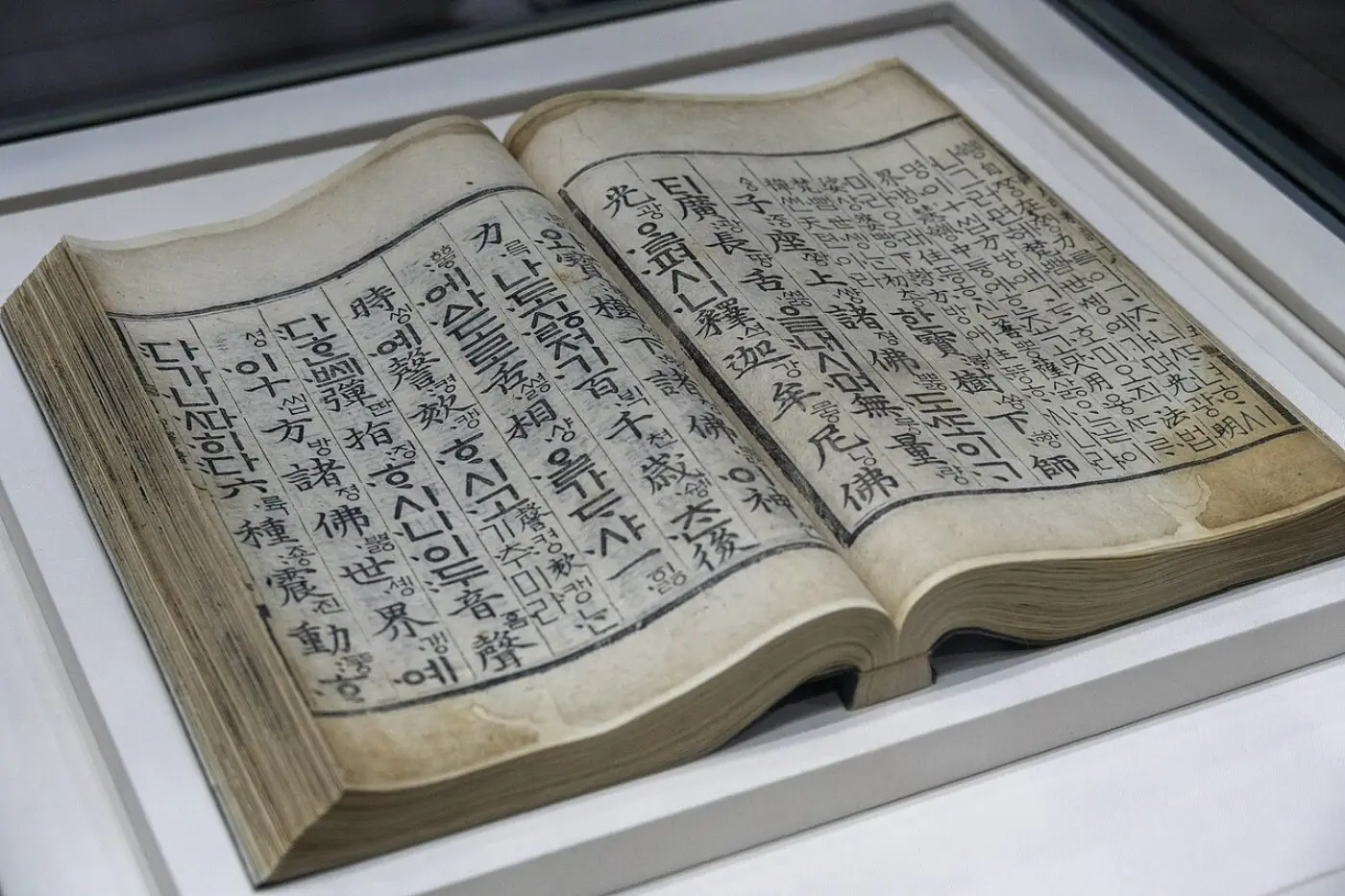
An early record of dari appears in the Samguk Sagi (三國史記). The Encyclopedia of Korean Culture states: "The word 'miche (美髢)' appears in the King Seongdeok section of the Samguk Sagi, and this is in fact dari." It adds that miche was a renowned Silla product and was even exported abroad.
The National Folk Museum of Korea's Encyclopedia of Korean Folk Culture gives a more precise date. In 723, the 22nd year of the Silla king Seongdeok, the gifts Silla sent to Tang China included miche, hair used for adornment. This record shows that dari served both as a material for ornaments and as a diplomatic gift. Gache is often seen simply as a luxury of Joseon women, but the record suggests that dari was being sent abroad from early on.
The Encyclopedia of Korean Culture also cites the Seongjong Sillok (成宗實錄), the annals of King Seongjong's reign: "It was said that people loved the high chignon (gogye, 高髻), so that it reached one ja in height on every side." The encyclopedia reads this as piling the hair up high by adding dari. A taste for tall hairstyles was thus already noted in the annals, well before the Yeongjo-era records on the ban.
The Joseon court explained the origins of gache differently. According to the Encyclopedia of Korean Folk Culture, the Annals of the Joseon Dynasty (朝鮮王朝實錄) for 1756 (the 32nd year of Yeongjo) called gache "a Mongol custom that began in the Goryeo period." The Silla record treats dari as something sent out of the country. The 1756 record treats gache as a custom brought in from outside. The two records can be seen as looking at the same hair ornament from different angles.
Hair as a commodity: the 1503 cheja quota and the shortage in the Myeongjong Sillok
In Joseon, too, hair served as a diplomatic gift. The Encyclopedia of Korean Folk Culture cites an order from 1503 (the 9th year of Yeonsangun): "Besides the 600 cheja to be sent as gifts to the Chinese envoys, assign a further 200 to the provinces." Here cheja appear as gifts for Chinese envoys.
What stands out in this order is that the quantity was divided among the provinces. This suggests that hair was a commodity that had to be collected from many regions. Set beside the Silla gift to Tang, the order shows dari reappearing as a diplomatic good across the centuries. Treating gache purely as domestic adornment hides this use.
Other records show how scarce the material was. The Encyclopedia of Korean Folk Culture quotes the Myeongjong Sillok (明宗實錄), the annals of King Myeongjong's reign, for 1553: "Once the people's hair is cut, it cannot grow long again for four to five years, so dari of the standard length is rare above all else." The passage confirms once more that dari was made from human hair.
Together, the 1503 and 1553 records help explain why gache was so expensive. The raw material was human hair. Once cut, it took years to grow back. A share was also set aside for diplomatic gifts. These conditions make the most sense alongside the records of cost in the next section.
Cost and weight: what the annals and Yi Deok-mu recorded
The Encyclopedia of Korean Folk Culture quotes a record of cost from the annals: "The extravagance of the scholar-official families grows by the day, and a wife spends several hundred geum (金) on a single gache." The passage ties the expense to the luxury of scholar-official households. The criticism was aimed at the spending of a particular class.
The same encyclopedia cites the writings of Yi Deok-mu (李德懋): "It is said that wealthy households spend as much as 70,000 to 80,000 nyang on dressing the hair." The annals measure the cost of a single gache. Yi Deok-mu measures the cost of hairdressing as a whole. The two figures therefore cannot be compared directly. Both records, however, put cost at the center of the problem.
Yi Deok-mu also wrote about the physical toll. His account begins: "In a wealthy household there was a daughter-in-law who was only 13 years old." The weight of her heavy dari, he writes, broke her neck. Japanese Wikipedia says that a gache with its various ornaments usually weighed about 3–4 kg.
So gache was not only a matter of money. Its weight was a burden on the body, and that burden was written down too. Reading the ban as nothing more than a crackdown on luxury leaves this out.
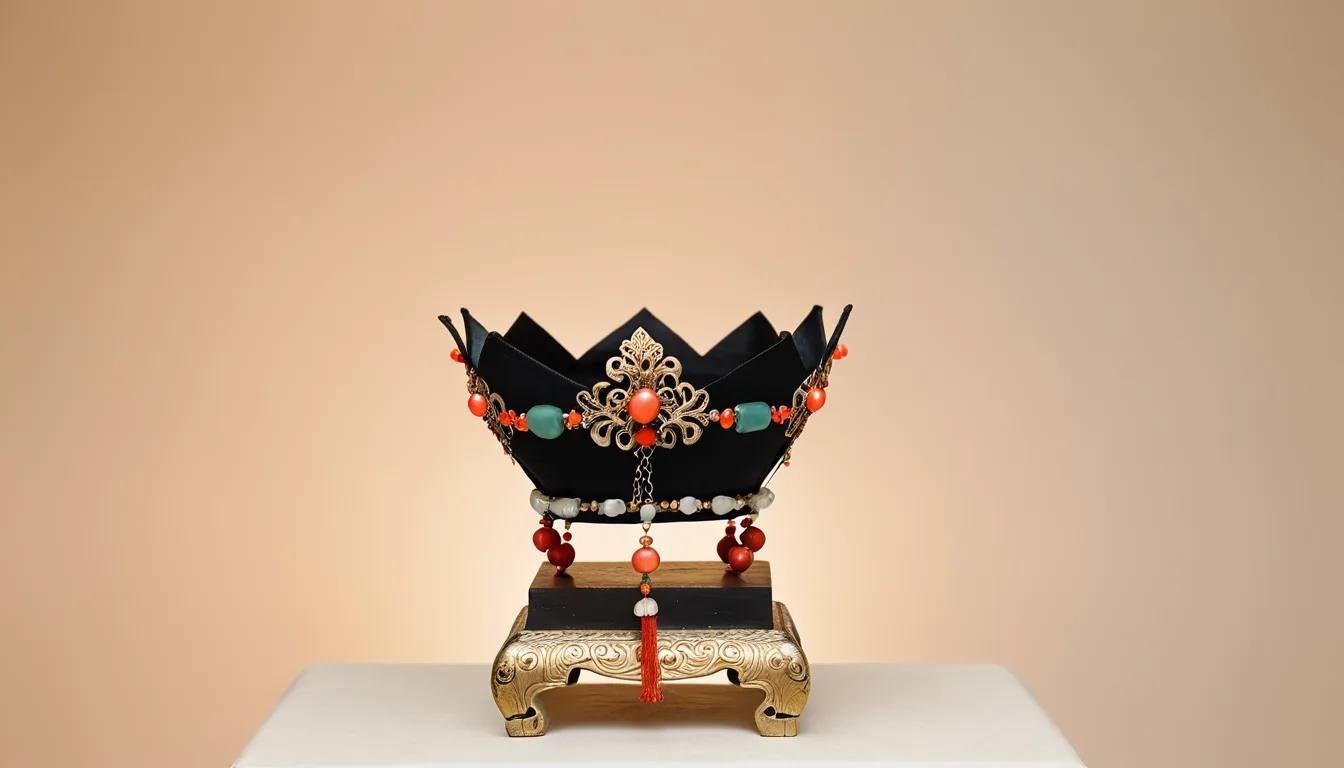
Weddings: gache and the bride's first greeting to her in-laws
The Encyclopedia of Korean Culture describes another problem. Families that could not afford gache sometimes held the wedding but could not perform the rite in which the bride formally greeted her parents-in-law. The wedding itself went ahead. What was blocked was the rite that followed it.
This passage suggests that gache was regarded not merely as a matter of personal taste but as something the ritual required. Read alongside the records of cost, the point becomes clearer: it implies that families that could not bear the expense had no choice but to postpone part of the ritual. Gache, in short, can be said to have had two faces. It was a luxury for the rich and a burden for the poor.
After describing these abuses, the Encyclopedia of Korean Culture says that a gache ban was "therefore" issued under Yeongjo. Japanese Wikipedia likewise says the ban came as the situation worsened. Both sources link the ban directly to these abuses. That makes them the place to start in understanding what the ban was meant to achieve.
Yeongjo's 1756 ban: the jokduri as a substitute
According to the Encyclopedia of Korean Folk Culture, women were banned from wearing gache in January 1756 (the 32nd year of Yeongjo). Japanese Wikipedia says that Yeongjo in 1756 and Jeongjo in 1788 banned gache by royal edict. Yeongjo ordered women to wear the jokduri instead. The Encyclopedia of Korean Culture calls this measure the gache ban.
The ban was never carried through, however. The Encyclopedia of Korean Culture describes the outcome: "Gache continued to be used in hairstyles for ceremonial dress, and the ban was never fully enforced." In other words, the ban worked differently for everyday hair and for ceremonial hair.
The jokduri, brought in as a substitute, did not last long either. The Encyclopedia of Korean Folk Culture reports a decision of November 1763 (the 39th year of Yeongjo). Yeongjo judged that "if the jokduri used in place of dari is decorated with jewels, it costs no less than gache." He abolished the jokduri and restored the original hairstyle.
Yeongjo's decision can be read as a judgment that the problem lay less in the type of object than in how lavishly it was decorated. Replacing gache with the jokduri did not help once jewels were added, because the cost rose again. The passage shows that the ban could not be settled simply by swapping one object for another.
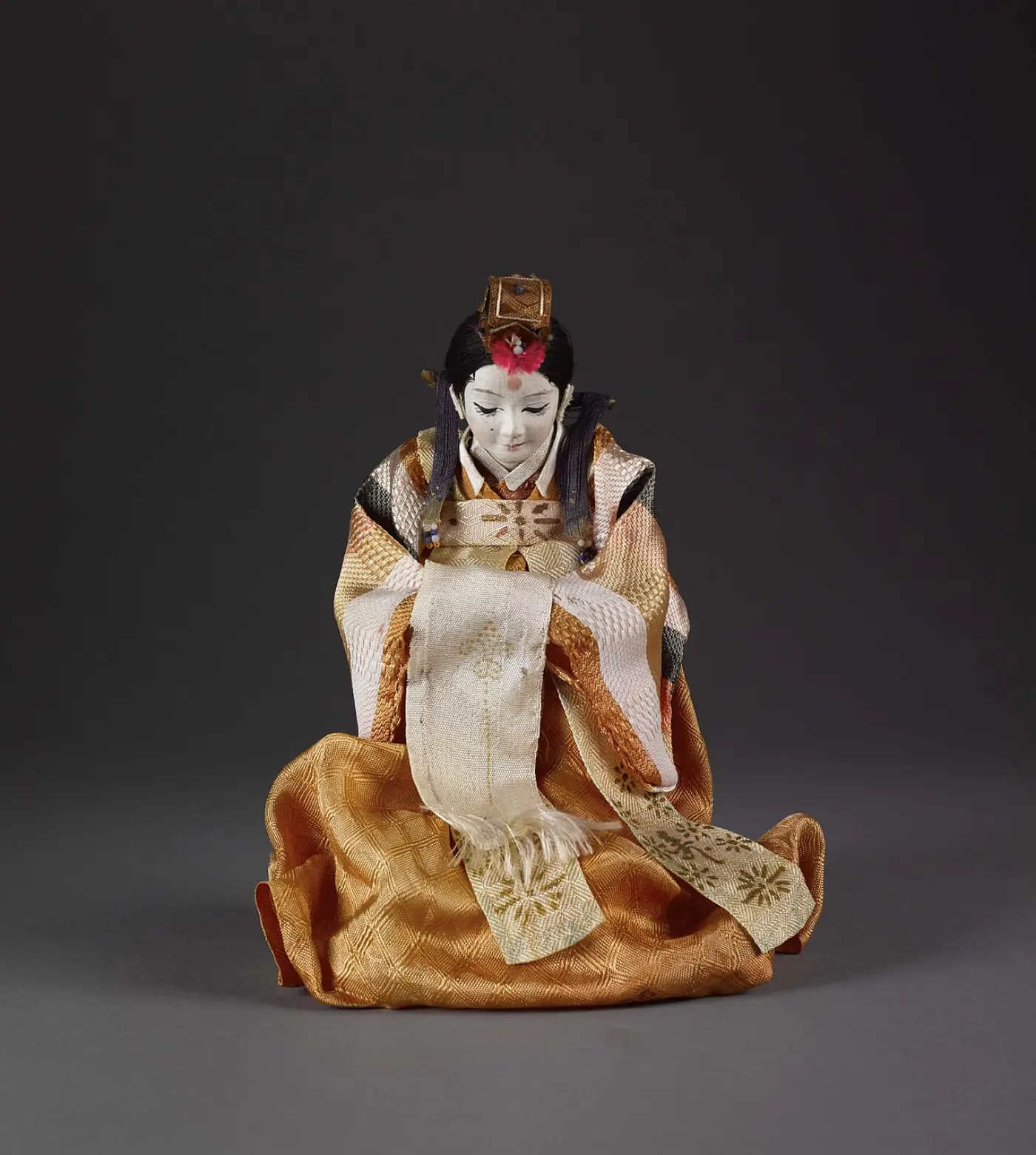
Jeongjo's Gache Singeum Jeolmok: rules by social status
The debate continued under Jeongjo. According to the Encyclopedia of Korean Folk Culture, in October 1788 (the 12th year of Jeongjo) the Bibyeonsa (備邊司), the Border Defense Council, submitted the Gache Singeum Jeolmok (加髢申禁節目). These regulations were meant to control the use of gache strictly. Yet the encyclopedia notes that "customs were not corrected, and the court debated the matter again and again."
The Encyclopedia of Korean Culture sets out Jeongjo's ban by social status. Wives and concubines of scholar-officials, and women of ordinary households, were forbidden gache. They were also forbidden to add dari to their own hair. For women of low status, the rule "allowed them to put up their hair but forbade them to hang dari or pile on more."
The rules drew lines by class. Women of scholar-official families could not even add dari. Women of low status could at least put up their hair. The higher a woman's status, the stricter the rule.
Japanese Wikipedia says that women of high social standing and gisaeng wore large gache, while commoners tied on short ones. Set beside Jeongjo's rules, this suggests that the strictest bans fell on the very groups that had worn the largest gache. This ban, too, failed. The Encyclopedia of Korean Culture says gache finally disappeared only in the reign of Sunjo.
After the ban: the tteoguji, the jjokmeori and dari counts in the Garye Dogam Uigwe
After the ban, other materials took the place of hair. According to the Encyclopedia of Korean Folk Culture, once the Gache Singeum Jeolmok took effect in 1788, people sometimes used a wooden tteoguji. Some also used dari woven from hair and fabric. Another entry in the same encyclopedia says that wooden gache first appeared in 1779 (the 3rd year of Jeongjo) as a replacement for gache. A wooden substitute existed before the regulations, which shows how long the debate over the ban ran.
Japanese Wikipedia describes the change in court ceremonial dress. Gache made of hair was originally worn, but after the ban the tteoguji came into use as a substitute. So the material changed even in ceremonial hairstyles. Recall that gache survived in ceremonial hair under Yeongjo. Together, the two records suggest that ceremonial dress was the last place to change.
Royal rituals also left numerical records. The Encyclopedia of Korean Folk Culture gives the amount of dari listed in the Garye Dogam Uigwe (嘉禮都監儀軌), the records of royal weddings. The 1638 (16th year of Injo) wedding of King Injo and Queen Jangnyeol used 68 dan 5 gae. The 1681 (7th year of Sukjong) wedding of King Sukjong and Queen Inhyeon used 48 dan 5 gae. The figure was 10 dan from the 1759 (35th year of Yeongjo) wedding of King Yeongjo and Queen Jeongsun onward. It stayed there through the 1866 (3rd year of Gojong) wedding of King Gojong and Queen Myeongseong. These numbers show concretely that the amount of dari fell even at royal weddings.
Hairstyles changed as well. The Encyclopedia of Korean Folk Culture says that in late Joseon the jjokmeori, a low chignon, gradually became the standard style for women. After that, gache "remained as the hairstyle of royal ceremonies and of gisaeng, who had to maintain their splendor." Gache did not vanish all at once. Instead, the places where it was worn narrowed.
| Text | Period covered | Passage used here | How it differs from other texts |
|---|---|---|---|
| Samguk Sagi, King Seongdeok section | 723 (22nd year of Seongdeok) | Miche, decorative hair, in the list of gifts sent to Tang China | Records dari as a gift sent abroad |
| Seongjong Sillok | Reign of Seongjong | The passage on high chignons reaching one ja on every side | Deals with the height of hairstyles |
| Order of Yeonsangun's 9th year | 1503 (9th year of Yeonsangun) | 200 cheja assigned to the provinces on top of 600 as gifts for Chinese envoys | Records quantities of hair for gifts |
| Myeongjong Sillok | 1553 | The passage saying cut hair cannot grow long again for 4–5 years, making dari rare | Deals with the scarcity of the material |
| Annals of the Joseon Dynasty, entry for Yeongjo's 32nd year | 1756 (32nd year of Yeongjo) | "A Mongol custom that began in the Goryeo period" | Records gache as a custom from outside |
| Garye Dogam Uigwe | 1638–1866 | Dari used at royal weddings: 68 dan 5 gae, 48 dan 5 gae, 10 dan | Gives figures for changes in the quantities used in royal rituals before and after the ban |
Related reading: Nubi, Traditional Korean Quilting: Why It Was Used for Clothes and Bedding (7/7) · Jjok: How Traditional Korean Indigo Dyeing Turned Cloth Blue (6/7)
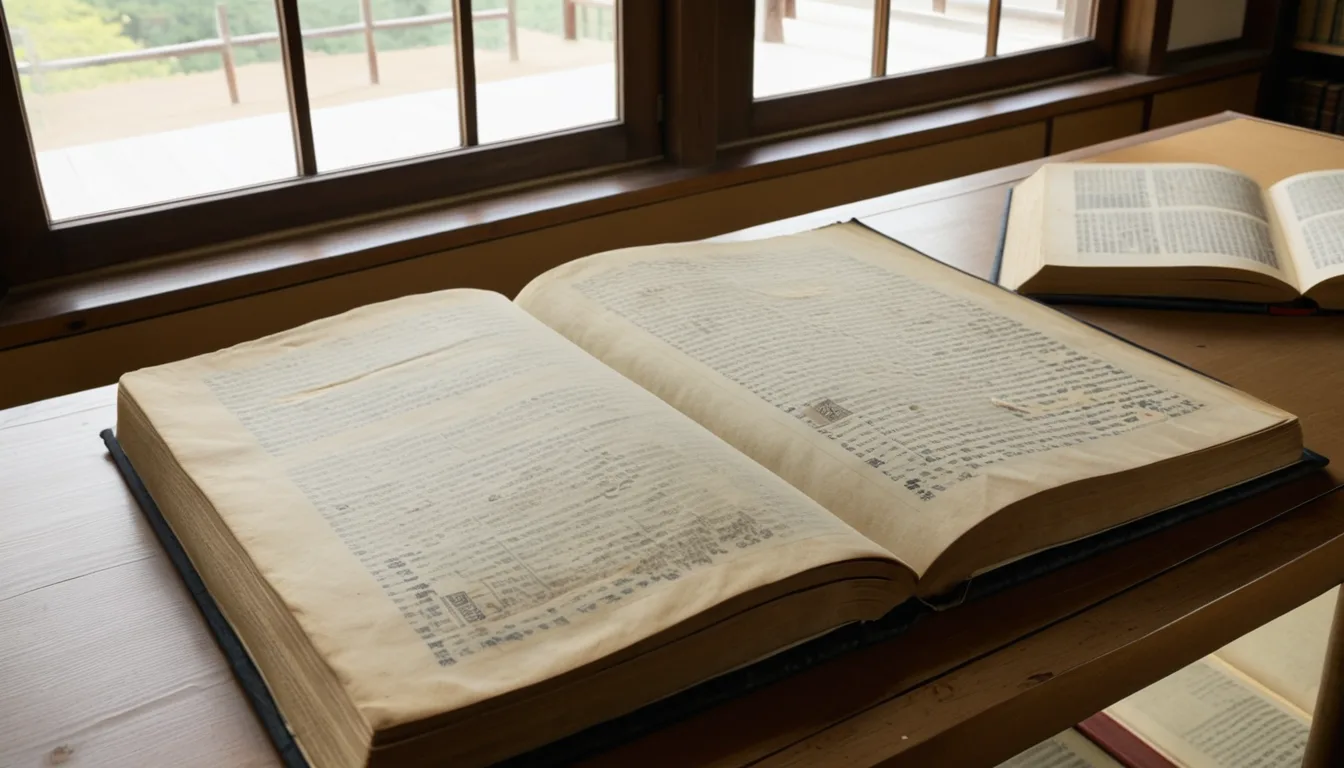
Conclusion
Taken together, the records show that gache carried many layers of meaning. After the bans, its role was divided among the jokduri, the wooden tteoguji, dari woven with fabric and the jjokmeori. The dari counts at royal weddings and Jeongjo's rules by status show that the change reached every level of society, from top to bottom.
Some questions remain. The 1756 annals described gache as a Mongol custom that began in Goryeo. Why the Joseon court chose that account of its origins deserves further study. The record that customs were still not corrected after Jeongjo's regulations also invites a fresh look at the limits of the ban.